Why the First 30 Days of a PSA Integration Determine Whether MSPs Use It for Years
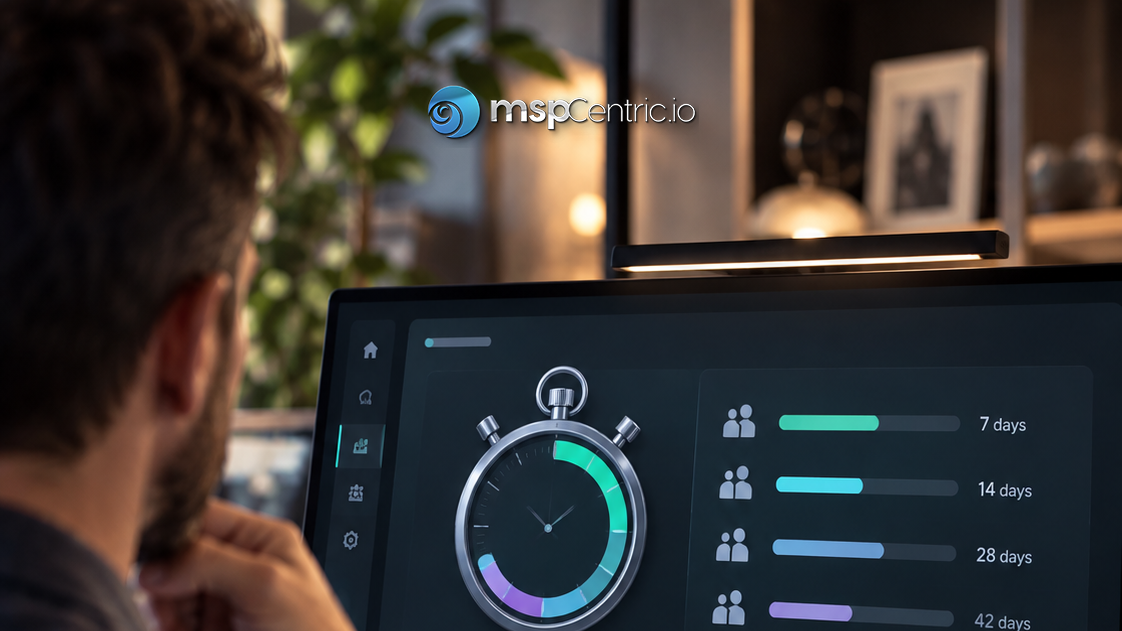
The first 30 days after an MSP enables a PSA integration determines whether it becomes embedded or abandoned.

There is a window in every PSA integration relationship that most vendors do not have a deliberate strategy for. It opens the moment an MSP enables the integration and closes roughly 30 days later. What happens inside that window determines whether the integration becomes an embedded part of how the MSP operates, or a feature they enabled once, never fully configured, and eventually forgot.
Most vendors focus their engineering energy on the integration itself and their sales energy on getting the MSP to enable it. The 30 days after enablement, the period where the integration either proves its value or quietly fails to, receives a fraction of the attention it deserves.
Why the First 30 Days Are Disproportionately Important
The first 30 days are when the MSP forms their lasting impression of how the integration works in their actual environment. Not in a demo. Not in a sandbox. In their live PSA, with their real client data, their specific agreement structures, and their team's actual workflow patterns.
This is also the period when the MSP's investment in the integration is at its highest. They have just spent time enabling and configuring it. Their team is paying attention. The internal champion who pushed for the integration is watching to see if it delivers on what they advocated for. The conditions for genuine adoption are better in this window than they will ever be again.
If the integration delivers a clear, felt win during this period, the MSP's team builds habits around it. The integration becomes part of how they work. Reversing that is difficult even if a competitor shows up with a better offer later.
If the integration does not deliver a clear win, if it requires more configuration than expected, produces unexpected behavior in the MSP's specific environment, or simply sits in the background without visibly changing anything, the window closes without the habits forming. The integration remains technically enabled but operationally dormant.
What Does a Successful First 30 Days Actually Require?
It requires vendors to have a deliberate first-value milestone defined before the MSP enables the integration. Not "the integration is set up" but "the MSP has seen the integration do something specific that saves time, prevents an error, or surfaces information they did not have before." That milestone needs to be achievable within the first week, not the first month.
It also requires proactive outreach. The MSPs who successfully adopt integrations in the first 30 days almost always had some form of human contact from the vendor during that period. Not a support ticket response, but outbound contact: a check-in that asks how setup went, identifies any configuration gaps, and confirms the MSP knows how to get to the first-value milestone. This does not require a large customer success team. It requires a deliberate process.
The integrations that fail in the first 30 days almost always fail silently. The MSP does not file a complaint. They simply stop configuring. The vendor does not notice until a churn metric changes months later.
What Are the Most Common First-30-Day Failure Points?
The most common is configuration complexity that exceeds the MSP's bandwidth at the moment of setup. PSA environments are complex, and the configuration decisions required to get an integration working correctly in a specific MSP's environment can be genuinely demanding. If the vendor has not built a setup experience that guides the MSP through those decisions with context specific to their PSA setup, the MSP will make suboptimal choices or abandon the setup partway through.
The second is a first-value milestone that is too far downstream. If the first tangible benefit of the integration only becomes visible after 30 days of use, the adoption window closes before the value appears. Vendors should engineer early wins into the integration experience, not leave them to emerge naturally over time.
The third is the absence of a feedback loop. If the vendor has no mechanism for knowing whether an MSP completed setup, reached the first-value milestone, or is actively using the integration in the first 30 days, they cannot intervene when adoption is stalling. Product telemetry that surfaces adoption signals and triggers appropriate outreach is one of the highest-ROI investments a vendor can make in integration success.
FAQ
Why do the first 30 days of a PSA integration matter so much for long-term adoption?
Because this is when MSPs form their lasting impression of how the integration works in their real environment, and when the conditions for habit formation are at their peak. An integration that delivers a clear, felt win in this window becomes embedded. One that does not tends to remain dormant regardless of its actual capabilities.
What should vendors define before an MSP enables a PSA integration?
A specific first-value milestone that is achievable within the first week: something concrete the integration does that saves time, prevents an error, or surfaces new information. Not "setup is complete" but a real operational outcome the MSP can feel.
What is the most common reason PSA integrations fail in the first 30 days?
Configuration complexity that exceeds the MSP's available bandwidth at the moment of setup, combined with the absence of proactive vendor outreach to identify and resolve gaps. Most first-30-day failures are silent, which means vendors often do not notice until months later.
Subscribe to our newsletter today
Stay tuned for all things MSPCentric and PSA integrations.