Why MSP Community Events Are the Best Place to Set Your Integration Roadmap
IT Nation, ASCII, and MSP peer groups surface integration priorities no research process can replicate.
Most channel vendors set their PSA integration roadmap in a conference room. Product leaders review market data, weigh engineering capacity, and prioritize based on what seems strategically logical. The resulting roadmap reflects what the vendor thinks MSPs need.
The problem is that what vendors think MSPs need and what MSPs actually say when you are standing in front of them at IT Nation or an ASCII Success Summit are frequently different things. Not dramatically different. But different in the specific, operational ways that determine whether an integration gets adopted immediately or sits on an MSP's backlog for six months.
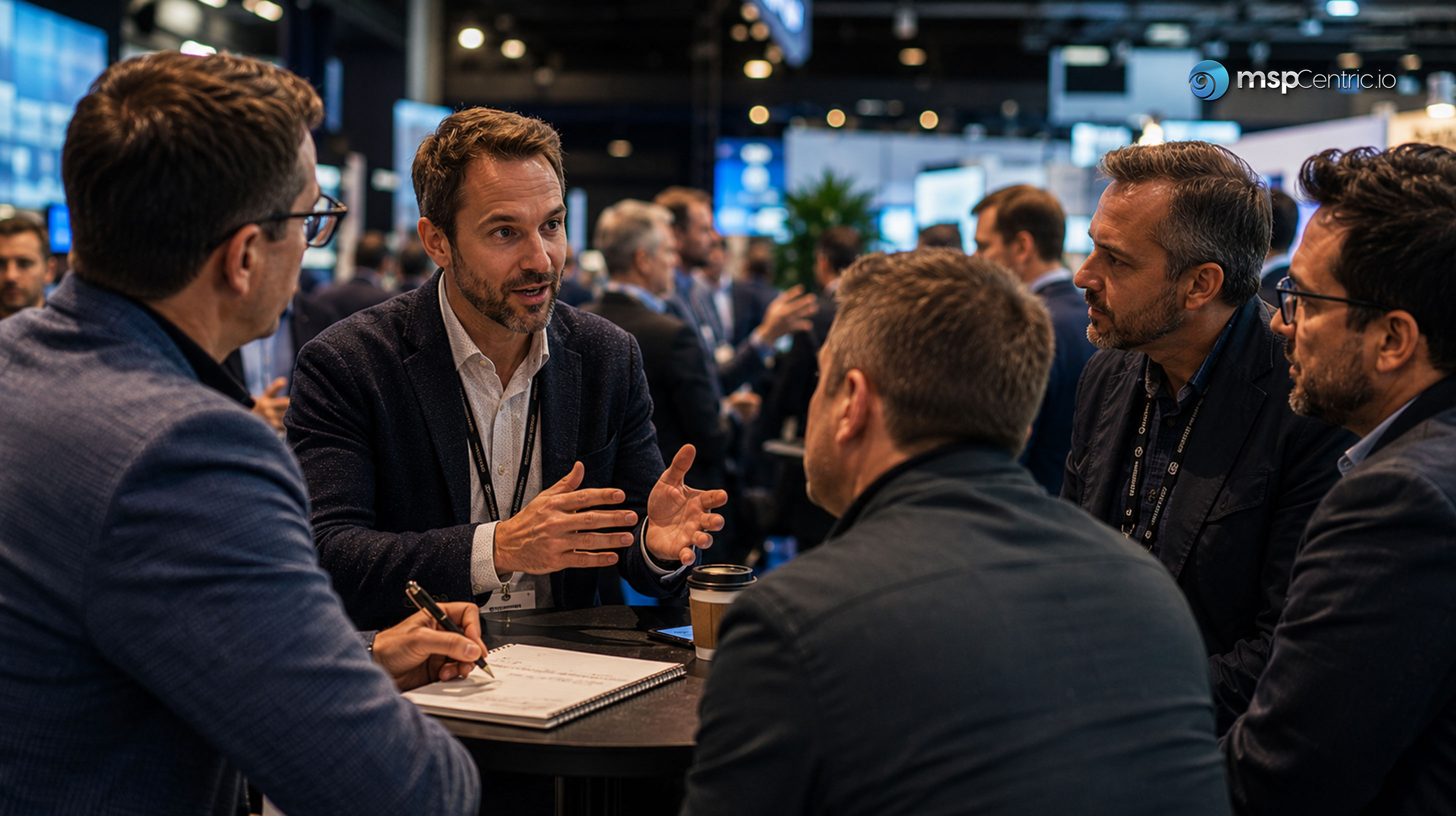
MSP community events are the highest-signal environment available to channel vendor product and channel teams. The conversations that happen in hallways, at roundtables, and over dinner at these events contain more actionable integration intelligence than most vendor research processes generate in a quarter. The vendors who treat event attendance as a structured intelligence-gathering exercise, rather than a sales and marketing activity, consistently make better integration decisions as a result.
What Kind of Intelligence Do MSP Events Actually Surface?
Three categories of information that are genuinely difficult to get any other way.
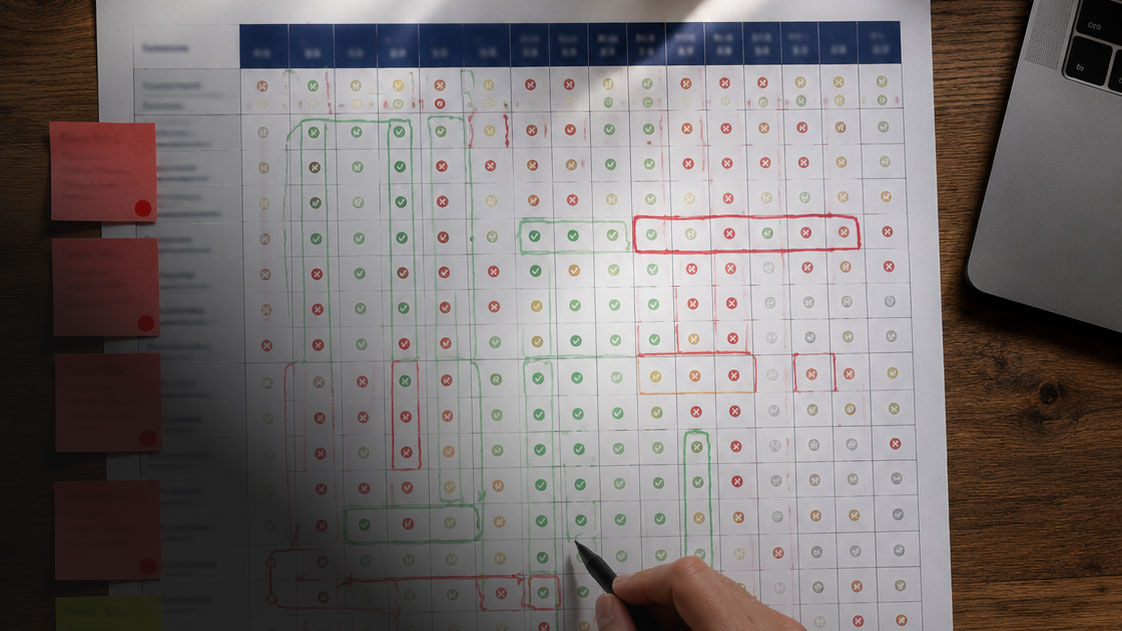
The first is PSA configuration reality. MSPs do not run PSAs the way documentation says they should be run. They have accumulated customizations, workarounds, legacy agreement structures, and non-standard configurations that have built up over years. An integration that works cleanly in a standard PSA environment may behave unexpectedly in the environments most MSPs are actually operating. The only way to understand the gap is to talk to MSPs about how their PSA actually works, which is a conversation that happens naturally at events and almost never happens in a survey or a demo call.
The second is priority ranking. MSPs will tell a vendor that a ConnectWise integration, an Autotask integration, and a HaloPSA integration are all valuable. What events reveal is how they actually rank them: which one would change the most about their operations, which one their peers are asking about, which one they would pay more to have done well. This ranking is the information that should drive integration investment sequencing, and it is almost never available from formal research alone.
The third is competitive awareness. MSPs at community events talk openly about the vendors they use, the ones they are evaluating, and the ones they recently left. The integration gaps and strengths of competing vendors surface in these conversations in ways that competitive analysis reports rarely capture.
How Should Vendors Prepare to Extract Maximum Value?
With a hypothesis, not a sales pitch. A specific, testable belief about what is true in the market that event conversations can confirm, challenge, or complicate.
For example: "We believe most mid-market MSPs on ConnectWise are not using our integration for billing agreement sync because the setup is too complex. We want to know if that's true and what the actual friction point is." That hypothesis drives specific conversations, surfaces specific information, and produces specific actions.
Without a hypothesis, event conversations tend to be pleasant but diffuse. The vendor learns that MSPs care about ease of use and reliability, which is true and useless. With a hypothesis, the vendor learns whether their specific onboarding flow is the problem, or whether it is documentation, or whether a recent API change introduced something unexpected.
The debrief after the event matters as much as the conversations during it. Vendors who capture what they heard, map it against their integration roadmap, and make explicit decisions about what changes as a result are the ones who compound the value of their event investment over time.
How Do Vendors Act on Integration Priorities Surfaced at Events?
The challenge is that MSP community events often surface integration priorities faster than internal engineering teams can build them. An IT Nation roundtable might surface a clear demand for deeper Autotask billing sync from 15 different MSPs in 48 hours. The vendor returns with a clear signal and an equally clear constraint: building and maintaining a production-quality Autotask integration is a 6 to 12 month engineering investment.
That gap, between what MSPs need and how fast vendors can deliver it, is where the event intelligence loses momentum. Vendors who can close that gap faster, by partnering with MSPCentric to build and maintain the integrations the events surface as priorities, are the ones who turn market insight into shipped product before the signal fades.
FAQ
Why are MSP community events valuable for setting integration roadmaps?
Because they surface PSA configuration realities, integration priority rankings, and competitive intelligence that formal research processes almost never capture. The operational specificity in event conversations is not available from surveys, demo calls, or market reports.
What should vendors do to get maximum value from MSP event attendance?
Arrive with a specific hypothesis about what is true in the market. Drive conversations toward confirming or complicating that hypothesis. Debrief thoroughly and map what was learned against the existing integration roadmap before the signal fades.
How can vendors act quickly on integration priorities surfaced at events?
By separating the intelligence-gathering from the execution question. Understanding what MSPs need is the event's job. Building it fast is a separate decision, and one where partners like MSPCentric allow vendors to move significantly faster than internal engineering capacity alone would allow.
Subscribe to our newsletter today
Stay tuned for all things MSPCentric and PSA integrations.