How to Scope a PSA Integration Project Without Underestimating It
PSA integration projects are consistently underestimated. Here is why the standard scoping approach fails and what to do instead.
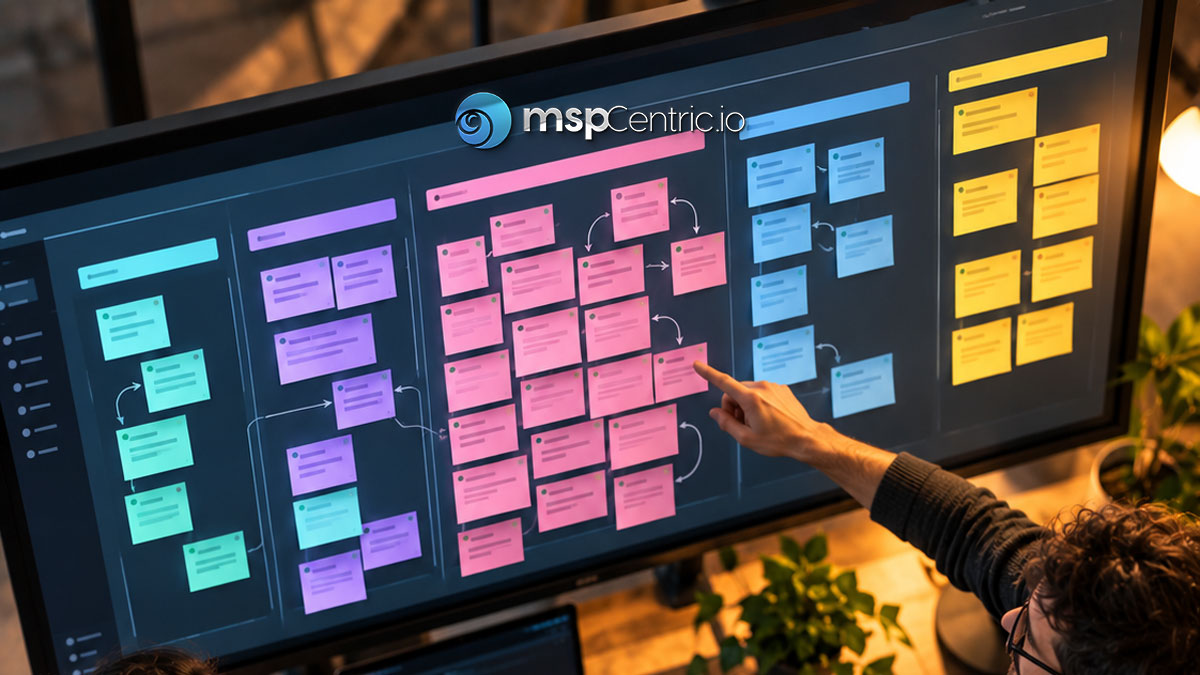
PSA integration projects are among the most consistently underestimated engineering initiatives that channel vendors undertake. The initial scope looks manageable. The first sprint reveals complexity that was not visible in the scoping phase. The second sprint surfaces edge cases that the first sprint did not account for. By the time the integration reaches production readiness, the timeline has expanded significantly from the original estimate and the engineering team has absorbed the cost of the gap.
This pattern repeats across vendors of different sizes, with different engineering teams, building integrations for different PSA platforms. It is not primarily a function of engineering skill or project management discipline. It is a function of a scoping approach that systematically underestimates the specific complexity sources that PSA integrations contain.
Why Do Standard Scoping Approaches Fail for PSA Integrations?
The most common scoping failure is treating the PSA as a stable, well-documented system and scoping the integration as if it will operate in that system. In reality, PSA platforms are complex, inconsistently documented, and operated differently by every MSP. The integration will encounter configuration variants, custom fields, non-standard workflows, and API behaviors that the documentation does not describe and that the scoping phase does not account for.
The second scoping failure is underestimating the edge case surface area. A PSA integration that handles agreements needs to handle every variant of agreement structure that MSPs actually use — annual, monthly, per-seat, per-device, flat-rate, tiered, with minimums, with overages, with client-specific exceptions. A scope that says "sync agreement data" without enumerating the agreement variants the integration must handle will encounter every one of those variants in production and require engineering work that was not scoped.
The third scoping failure is scoping the happy path without scoping the failure modes. A PSA integration that syncs data correctly when everything works as expected is not production-ready. It is a prototype. Production readiness requires scoping the failure modes: what happens when the PSA API is unavailable, when a required field is missing, when the data in the PSA contradicts the data in the vendor's system, when an MSP's configuration changes after the integration is already running. Each failure mode requires a deliberate design decision and engineering work that the happy path scope does not include.
What Does Accurate PSA Integration Scoping Look Like?
It starts with a PSA environment audit before scoping begins. Rather than scoping against the PSA documentation, the engineering team reviews the actual configurations of two or three MSP partners whose environments are representative of the integration's target market. This audit surfaces the configuration variants, custom fields, and workflow patterns that will need to be handled — before the sprint plan is written rather than after the first sprint reveals them.
The second component is explicit enumeration of every PSA data object the integration will touch, the variants of each object that exist in production MSP environments, and the handling required for each variant. This enumeration is time-consuming in the scoping phase. It is significantly less time-consuming than discovering variants in production sprints and retrofitting handling for them under deadline pressure.
The third component is a dedicated failure mode design sprint before the development sprint begins. The failure mode design sprint identifies every way the integration can fail — API failures, data conflicts, configuration changes, rate limiting — and produces a design decision for each one. Failure modes that are designed before development begins can be built into the integration architecture. Failure modes that are discovered during development or in production require architectural retrofitting that costs significantly more.
Vendors who work with MSPCentric on PSA integration scoping benefit from a library of real-world PSA configuration variants, documented edge cases, and failure modes encountered across integrations built for multiple vendors. This library compresses the audit and enumeration phases significantly — the scoping work that would take weeks of original research is informed by patterns already documented from production experience.
FAQ
Why are PSA integration projects consistently underestimated?
Because standard scoping approaches treat the PSA as a stable, well-documented system and scope the integration against documentation rather than real-world MSP configurations. The configuration variants, edge cases, and failure modes that production environments actually contain are invisible in the scoping phase and expensive to retrofit when they surface during development.
What are the most significant sources of scope expansion in PSA integration projects?
Undocumented PSA configuration variants that MSPs use in production, the full range of data object variants the integration must handle rather than the happy path version, and failure mode handling that is not included in happy path scopes but is required for production readiness.
What does accurate PSA integration scoping require?
A PSA environment audit against real MSP configurations before scoping begins, explicit enumeration of every data object variant the integration must handle, and a dedicated failure mode design sprint before development begins. These three additions to the scoping phase significantly reduce the scope expansion that occurs during development sprints.
Subscribe to our newsletter today
Stay tuned for all things MSPCentric and PSA integrations.