How to Handle PSA Version Fragmentation Across Your Partner Base
PSA platforms release updates constantly. Your partner base does not upgrade in sync. Here is how to manage version fragmentation
PSA platforms release updates. ConnectWise pushes API changes. HaloPSA ships new versions. Autotask modifies data structures. These changes happen on the PSA vendor's schedule, not yours. And they do not happen uniformly across your partner base.
Some MSPs upgrade immediately. Some wait months. Some are still running versions that the PSA vendor considers deprecated. The result is that at any given time, your integration is running in production across multiple PSA versions simultaneously, and a change that works perfectly for partners on the latest version may break something for partners on an older one.
This is PSA version fragmentation. It is one of the most persistent and underestimated engineering challenges in PSA integration development, and it does not get easier as your partner base grows. The more partners you have, the more version combinations your integration needs to support at any given time.
Why Does Version Fragmentation Get Worse Over Time?
Because the tail of older versions grows faster than it shrinks. Every time a PSA vendor releases a new version, a portion of your partner base upgrades immediately, a larger portion upgrades over the following months, and a smaller portion never upgrades at all: either because their configuration is too customized to upgrade safely, because their internal change management process requires extensive testing, or simply because they have not prioritized it.
Each of these groups generates different integration behavior. The partners on the latest version may have access to new API endpoints that do not exist in older versions. The partners on older versions may be relying on API behaviors that have been modified or deprecated in newer ones. Supporting all of them simultaneously requires either a versioned integration architecture that explicitly handles each supported version, or a compatibility layer that abstracts the differences.
Neither approach is trivial. But the alternative, supporting only the latest version, is not practical for most vendors with an established partner base. Telling a long-term partner that their integration will break if they do not upgrade is a churn risk. Letting the integration break silently when they do not upgrade is a worse one.
What Are the Practical Approaches to Managing Version Fragmentation?
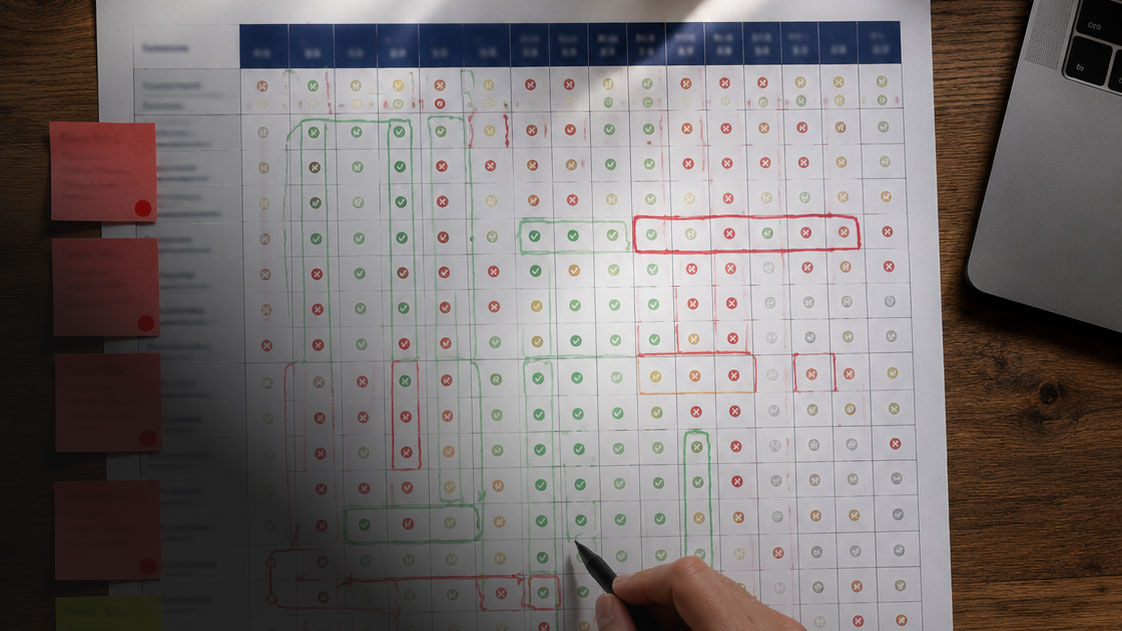
The first approach is explicit version support policy. Define which PSA versions your integration officially supports, communicate that policy clearly to partners, and build your testing matrix against those versions. This does not eliminate the fragmentation problem, but it makes it manageable by setting clear expectations and allowing engineering to focus testing resources on the supported version range.
The second approach is version detection and graceful degradation. Build the integration to detect which PSA version it is running against and adjust its behavior accordingly. Features that require a newer API can be surfaced only when the partner is on a version that supports them. Features that rely on deprecated behavior can be maintained with explicit handling until the older version falls outside the support window.
The third approach is proactive upgrade incentives. Make upgrading to a newer PSA version a trigger for unlocking new integration capabilities rather than just a compliance obligation. Partners who upgrade get access to features that partners on older versions do not. This creates a pull motivation for version currency that reduces the fragmentation tail over time.
How Does Version Fragmentation Intersect With Support Burden?
Significantly. A disproportionate share of integration support tickets come from version-specific edge cases: behavior that works correctly on the version the partner is running but not on the version engineering tested against, or vice versa. Without explicit version tracking in the support system, these tickets are difficult to diagnose and even more difficult to reproduce.
Building PSA version into the first data point captured in every support interaction is a small operational change with a large diagnostic impact. It allows support teams to quickly identify whether an issue is version-specific, route it to engineering with the right context, and maintain a version-stratified knowledge base that reduces resolution time for common version-specific issues.
FAQ
What is PSA version fragmentation and why does it matter for integration vendors?
PSA version fragmentation is the condition of having a partner base running across multiple PSA versions simultaneously. It matters because PSA API changes and new features do not apply uniformly across versions, meaning a single integration must handle significantly different behavior depending on which version the partner is running.
Why does version fragmentation get worse as a partner base grows?
Because the tail of older versions grows faster than it shrinks. Each new PSA release adds partners to the latest version while a persistent portion of the existing base remains on older versions. The more partners a vendor has, the more version combinations their integration needs to support at any given time.
What are the most effective approaches to managing PSA version fragmentation?
Explicit version support policy that defines which versions are officially supported, version detection and graceful degradation that adjusts integration behavior to the detected version, and proactive upgrade incentives that make PSA version currency a trigger for new integration capabilities rather than just a compliance requirement.
Subscribe to our newsletter today
Stay tuned for all things MSPCentric and PSA integrations.